
The American woods and forests have been captivating minds for generations. Henry David Thoreau thought nature was “splendid”, right up until he experienced real wilderness climbing Maine’s Mount Katahdin in 1846. He found something raw, forbidding and profoundly indifferent to human comfort.
One biographer said he was “near hysterical” after experiencing the intense, wild, and unnerving reality of America’s untamed woods. That’s probably why his famous sojourn to Walden Pond was less man-in-the-woods and more “Last stop on the train line from Boston.” His mother lived a few stops away and did most of his laundry. By today’s standards, Walden Pond is downright suburban.
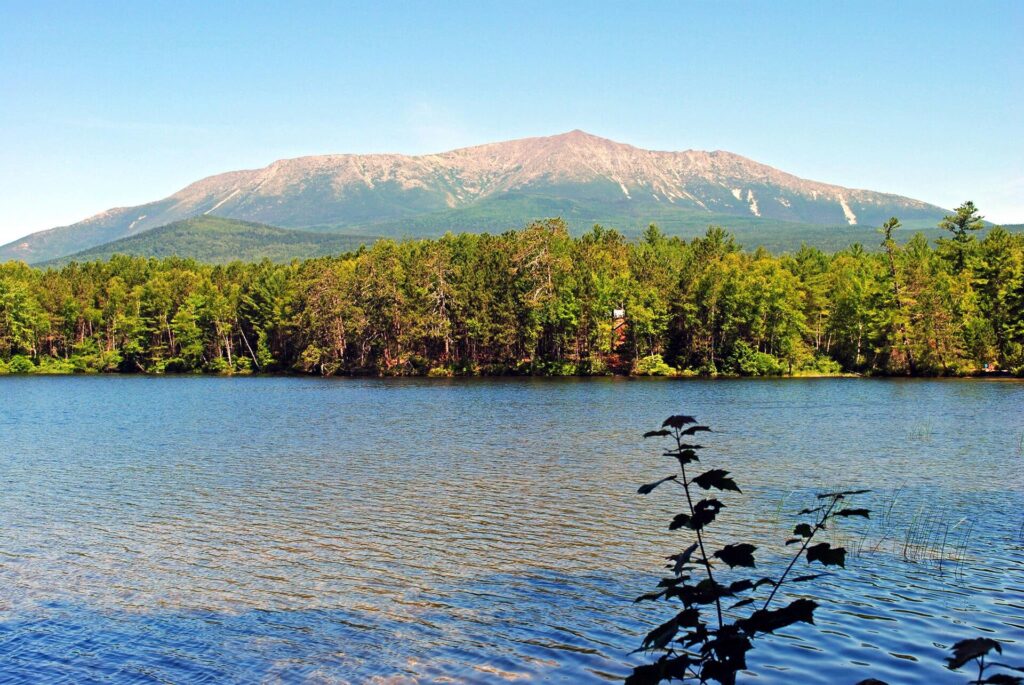
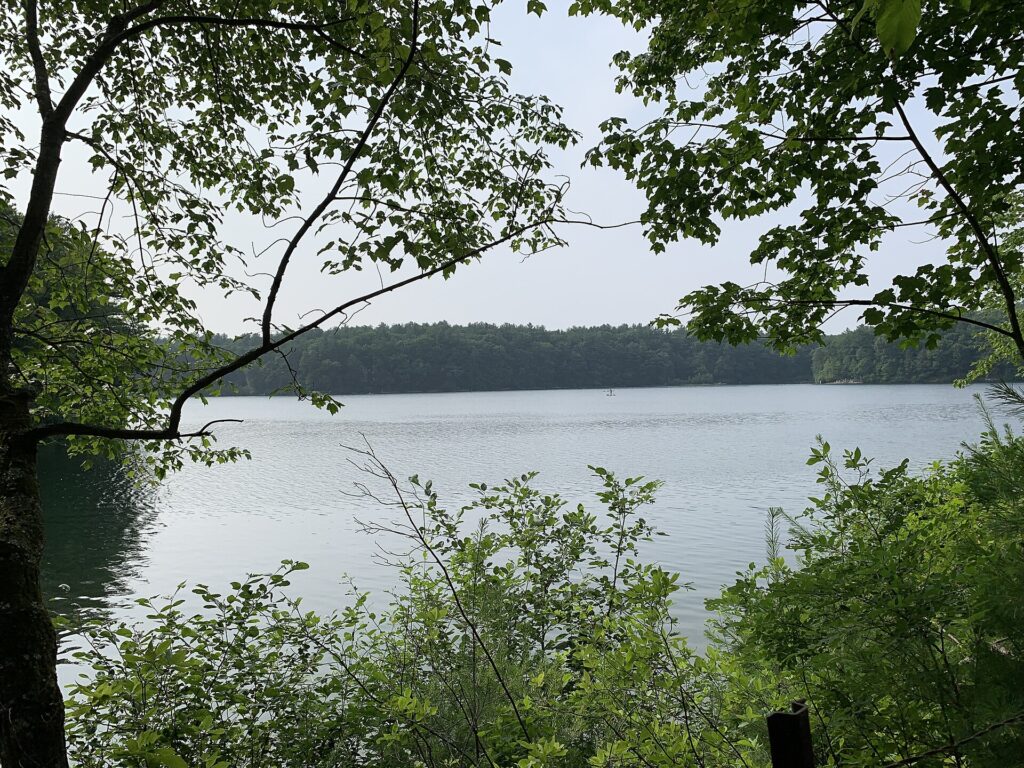
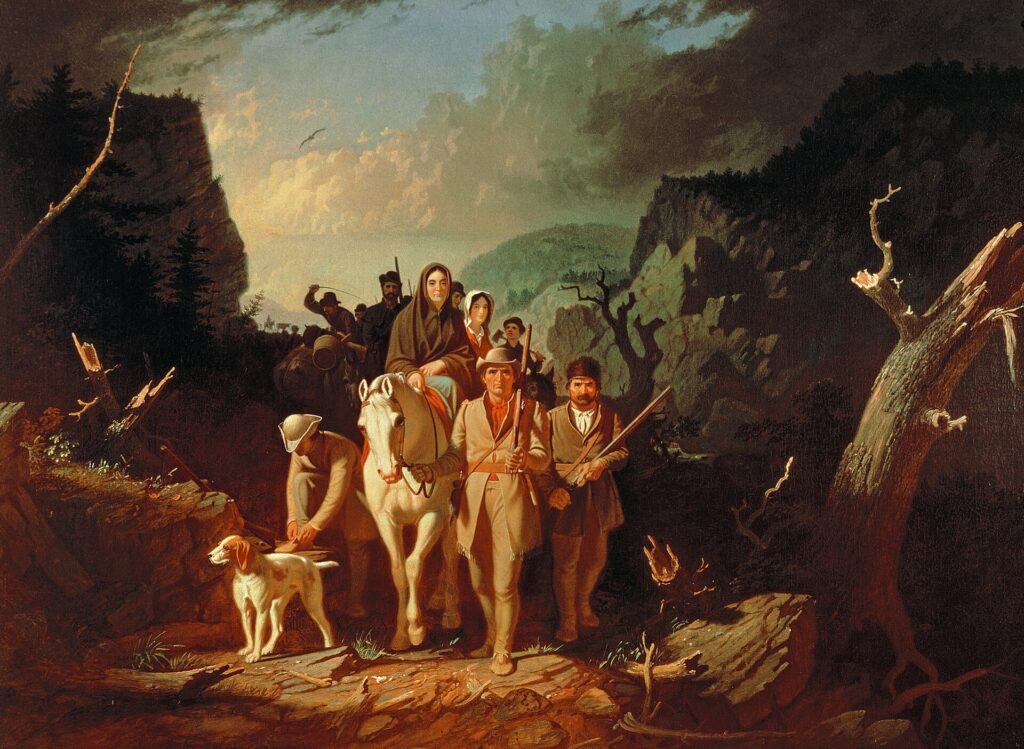
Then there’s Daniel Boone. In the 1784 narrative published under Daniel Boone’s name, the Appalachian cliffs were described as “so wild and horrid” that they could not be viewed “without terror.” This is a guy who was hired to hack a road into Kentucky about five weeks before the American Revolution. When Daniel Boone is unnerved, you know things are serious.
Two centuries later and we’ve softened the wilderness in our imaginations to almost cartoonish proportions. Forests are where we go to find tranquillity, clean air and flattering selfies of ourselves beside waterfalls and ample parking lots with food trucks. They seem like the part of America where roads, commerce, and government bureaucracy have politely stepped aside, except for the food trucks. Surely very little of America could be construed as “wilderness” in contrast to two hundred years ago. But there’s still long stretches of the West, Alaska, and the Appalachian Trail that are truly wild.
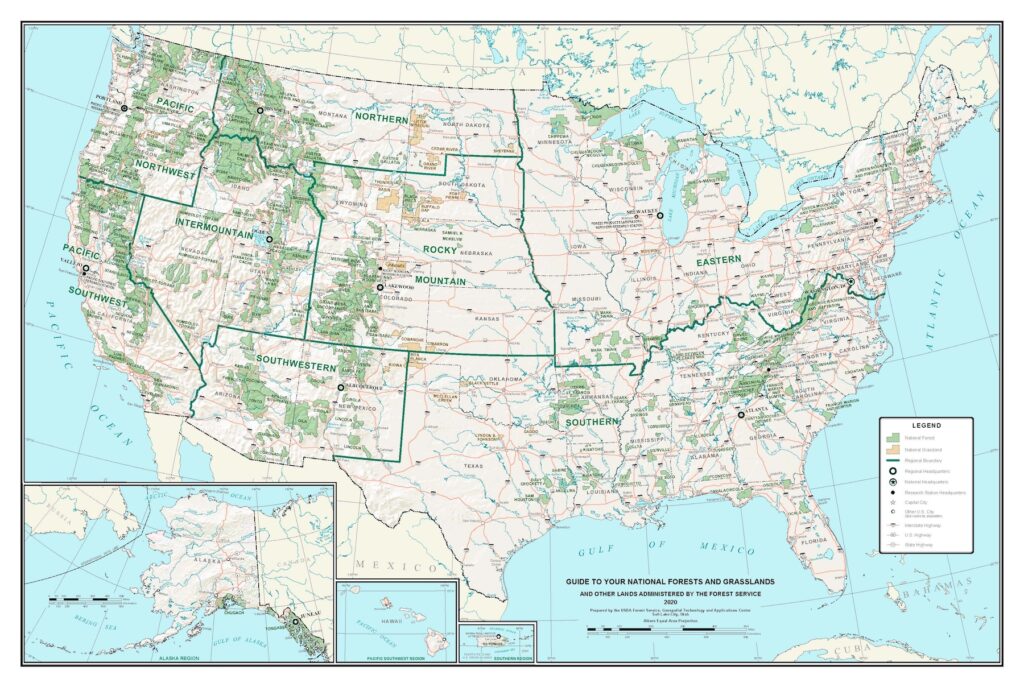
Consider the Chattahoochee–Oconee National Forest in Georgia. It covers nearly 867,000 acres across 26 counties, with roughly 850 miles of recreation trails. On Google Maps, it’s this modest blob of green, but on foot at true human scale it’s huge. You could hike in one direction for days and never see another town or person.
America has a lot of trees
America just celebrated its 250th year and compared with most other places, especially Europe, America is still remarkably dense with forests and trees. Clear-cutting is always visually unnerving, but a third of the lower 48 is still covered in trees. Including Alaska, there’s 765 million acres. Maine alone has 10 million acres (a span as large as Belgium) with a scant 9,000 people. Parts of Michigan’s Upper Peninsula could be construed for a vast wilderness, along with large swaths of Montana and Minnesota that are dotted with a few summertime fishermen who have the wherewithal to leave as soon as the leaves change.
Only 2% of the U.S. is considered “built up”, a number that might make you think the metric for what’s “built up” is just bad. But consider a state like Indiana, which to most people is decidedly rural, is considered by the U.S. Census Bureau to be “More than 50% urban.” If anything, our yardstick for “built” and “urban” and developed is pretty short.
Of the 765 million forested acres in the U.S, about 240 million acres of the U.S. is owned and managed by the U.S. Federal Government. Of that, the bulk of it, about 190 million acres, is held by the U.S. Forest Service. The sub-designations are for things like National Forests, National Grasslands, National Recreation Areas, and the like. It all sounds so comforting, as if it’s on the same register of protection as a National Park (managed by the National Park Service).
By the numbers
Where America’s forest acres sit
For scale: Maine alone has about 10 million forested acres, roughly the size of Belgium.
What exactly are “multiple uses”?
In truth, the vast majority of U.S. Forest Service-held land allows for everything from mining to timber and logging, gas extraction, ski resorts, ORV tracks, and condos. The Forest Service has an excellent marketer, because you see “forest” and think about chipmunks and owls and kindly civil servants walking around patting trees and congratulating them on their hard work.
Instead, the Forest Service is legally required to manage its lands for “multiple use,” including recreation, watersheds, wildlife, livestock grazing and timber. The law does not formally place timber above the other uses, but certainly timber production was one of the reasons the national forests were created, and for much of the twentieth century it exerted an enormous influence over how the agency operated.
Quick quiz
Which of these can happen on Forest Service land? Tap all that apply.
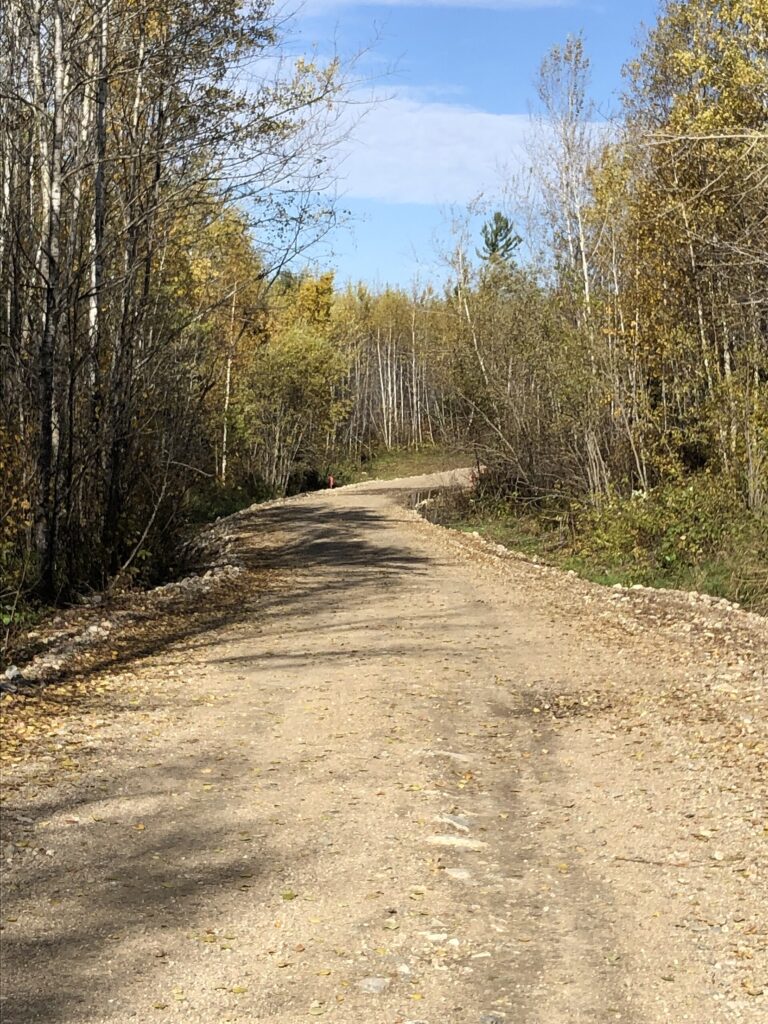
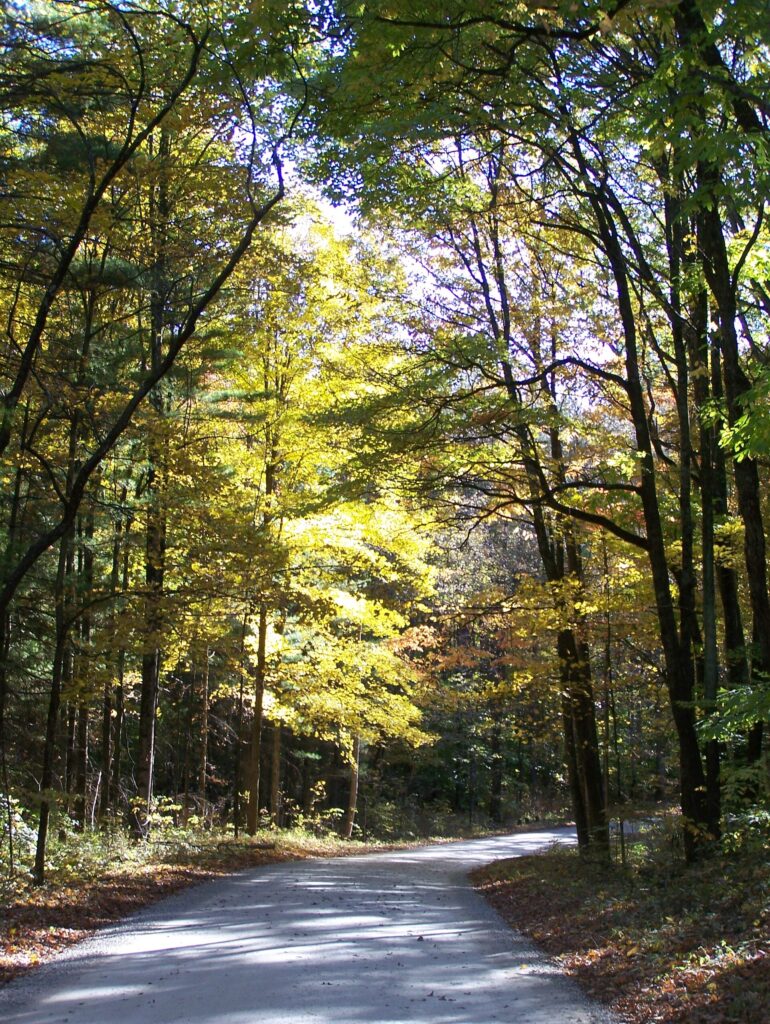
Mostly, that influence took the form of roads. The U.S. Forest Service builds roads. And lots of them. Some 378,000 miles of roads wiggle through America’s forest lands. In 2024, the Forest Service listed 368,102 miles of system roads: 64,748 miles for passenger vehicles, nearly 200,000 for high-clearance vehicles and another 103,586 miles “stored for future use.”
Interactive
368,102 miles of Forest Service roads (2024). Tap a section.
To put that in perspective, it’s 7.5x more than all of America’s Interstate Highway system combined. Only the states of Texas and California manage more total road miles than the agency (Indiana, strangely again, is third). When Eisenhower called for an Interstate system, he’d have done well to task the Forest Service with the responsibility of building them.
Take a guess
How many Interstate Highway Systems would it take to equal the Forest Service’s road network?
The Forest Service is still building roads, too. Most aren't paved, of course. But as roads go, it's a lot of pathmaking that'd surely impress Daniel Boone, at least in scale.
It's almost as if while hiking, a Forest Service worker is more likely to think, "Hey, we could put a road here" than anything else.
Road impacts in U.S. Forests
Tragically, road construction removes vegetation and compacts soil. Ditches and culverts redirect water. Failed roadbeds and stream crossings can release sediment into rivers, damaging fish habitat and water quality. The Environmental Protection Agency says road construction and use can account for as much as 90 percent of the sediment produced by forestry operations. Forest Service scientists have also linked roads with habitat fragmentation, invasive species, wildlife deaths, chemical contamination and destructive human activity.
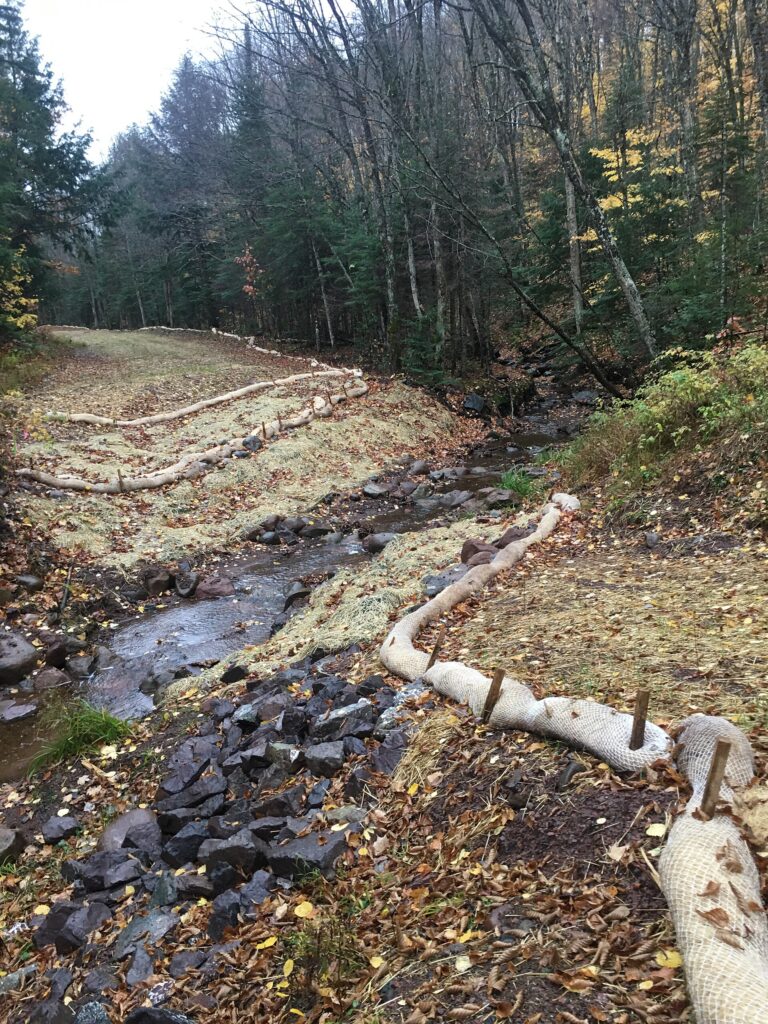
Then comes the bill. If you think your state's roads are in bad shape because of deferred maintenance, well, consider the Forest Service.
The Forest Service reported nearly $6 billion in deferred road maintenance in 2024. That estimate did not include high-clearance roads or roads receiving only basic custodial care because the agency said their needs could not be calculated with sufficient confidence. Road bridges added almost another $1 billion, while total deferred maintenance across Forest Service infrastructure reached approximately $10.8 billion.
The repair bill
Forest Service deferred maintenance, 2024
Roads (not counting high-clearance or custodial-care roads)
Road bridges, on top of that
Total across all Forest Service infrastructure
To get a handle on it, the 2001 Roadless Rule limited most road construction and timber harvesting across large areas of comparatively undeveloped national forest. Today it applies to about 44.7 million acres, excluding areas covered by separate rules in Idaho and Colorado.
In 2025, the U.S. Department of Agriculture began a formal process to rescind the national rule. The administration argues that local managers need greater freedom to reduce wildfire danger, manage unhealthy forests and increase domestic timber production. Its Federal Register notice projected a final decision in late 2026.
All those roads generally serve the timber industry to get access to previously inaccessible stands of trees. About two thirds of America's 150 million acres of loggable land is held for the future, but mostly because it's still really hard to get to. The other third, which is 49 million acres (about twice the size of Ohio) is available now for logging. Sometimes this includes stands almost no one would wish clear-cut, like 200 acres of century-old trees in Oregon.
Pardon the pun, but here's a new road forward
In the late 1980s, the Forest Service was actually the only player in the timber industry cutting trees faster than they could replace them and GAO reviews found that approximately 27 percent of the timber sales it examined in fiscal 1981 and 42 percent in fiscal 1982 were "below cost".
Today, it's different, but taking a different, uh, road through "Good Neighbor Authority" programs. Another friendly-sounding law that makes it easier for states to work with the Forest Service and produce revenue sharing on timber. In July 2026, Michigan DNR authorities proudly declared alongside an AI-generated graph with competing senses of scale:
“Historically, state and federal agencies operated within strict, isolated boundaries. This partnership deliberately broke down those traditional bureaucratic silos, replacing an 'us vs. them' mindset with a shared culture of mutual respect.”
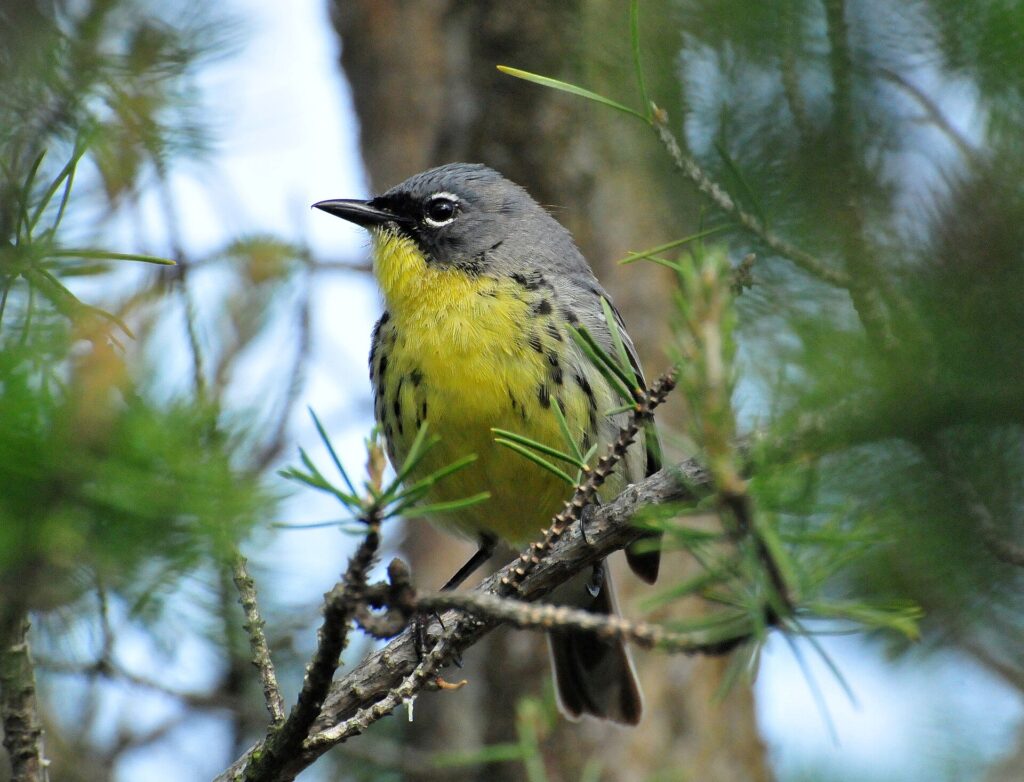
Restoration projects have included creating savanna habitat for species such as wild turkey, white-tailed deer and Karner blue butterflies; enhancing jack-pine landscape for the Kirtland’s warbler songbird; plugging abandoned oil wells and cleaning up tons of discarded junk from national forests.
Timber revenue through the program has skyrocketed – from about $500,000 in 2017 to more than $5 million in 2025. Under the GNA agreement, the DNR retains control of all revenue collected from timber harvests and funnels it directly back into reforestation and habitat work.“I would say the Good Neighbor Authority in Michigan has been wildly successful,” said Derek Cross, a DNR forester who coordinates the program statewide.
Good Neighbor Authority in Michigan
Timber revenue through the program
The DNR keeps that revenue and puts it back into reforestation and habitat work.
Still, the Forest Service now has a wildfire-driven reforestation backlog measured in millions of acres, an immense road network it cannot afford to maintain, and timber arrangements whose public cost or benefit cannot be reduced to a simple profit-and-loss percentage but appears to be shared more with states.